
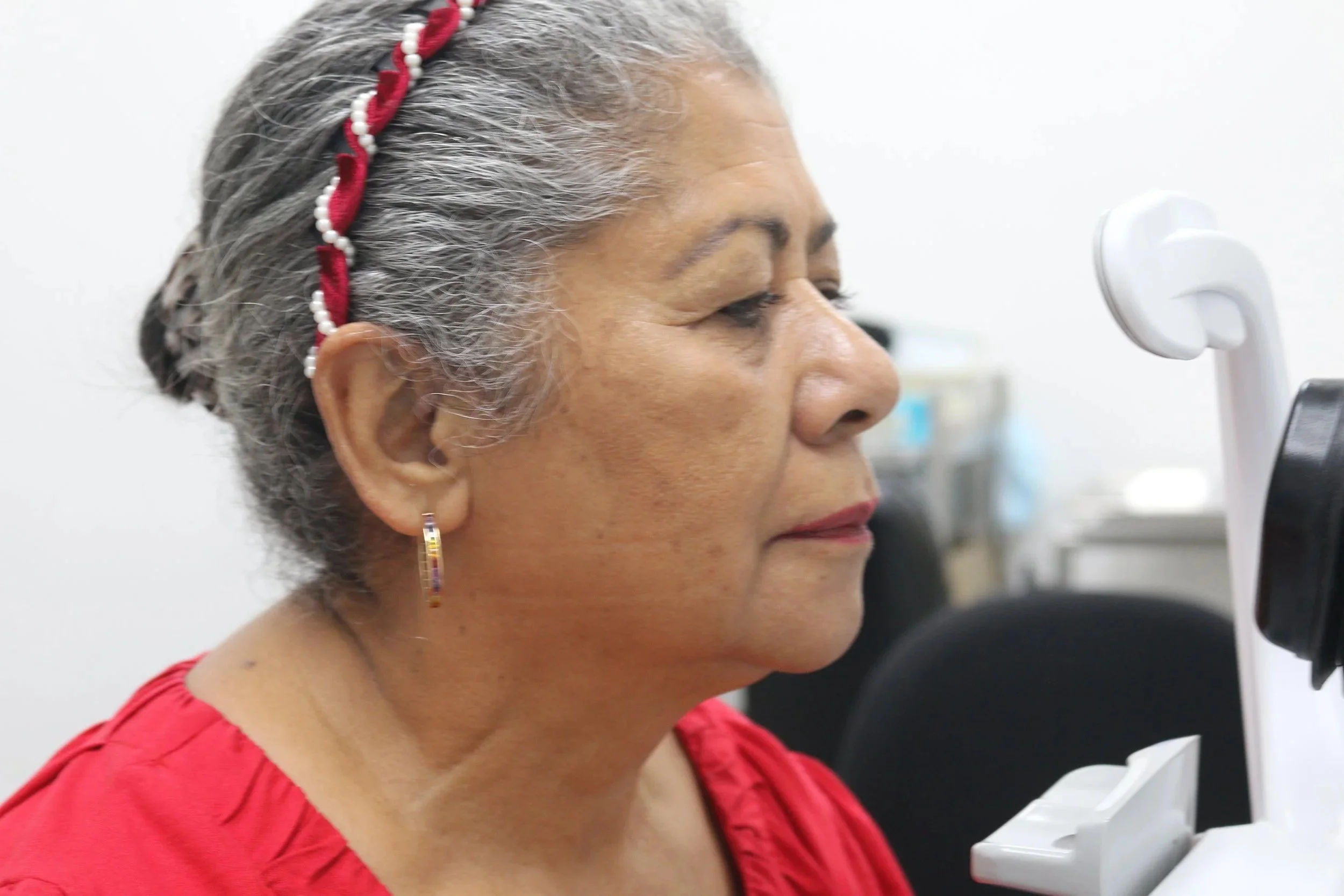
Routine Eye
Examinations
Regular eye examinations are essential for maintaining good vision and overall eye health.
Many eye conditions develop gradually and may not cause symptoms in the early stages; resulting in problems going unnoticed without proper screening.
Routine eye examinations help to:
Detect eye conditions early, before symptoms appear
Monitor changes in vision over time
Prevent avoidable vision loss
Assess overall eye health
Conditions such as cataracts, glaucoma, macular degeneration, and diabetic eye disease can often be identified and managed early with regular testing.
What To Expect
Your visit may include:
Detailed history
Examination of front and back of the eye
Dilating drops are often required (expect blurred vision for a few hours after your appointment)
Additional tests (as required) (e.g. OCT, visual field testing, retinal photography)
Eye Check Guidelines
General guidelines:
Under 40 years: Every 2–3 years
40–60 years: Every 1–2 years
Over 60 years: Annually
You may need more frequent checks if you:
Have diabetes
Have a family history of eye disease
Wear glasses or contact lenses
Have existing eye conditions
Symptoms To Review
Review should be made between routine visits if you notice:
Blurred or reduced vision
Eye pain or redness
Flashes or floaters
Distorted vision
Sudden vision changes
Referrals
Most patients are referred by their GP or optometrist. You may also be able to book directly depending on your needs and Medicare eligibility.
Protecting Your Vision
In addition to regular eye checks:
Wear sunglasses with UV protection
Maintain good control of medical conditions (e.g. diabetes)
Avoid smoking
Eat a balanced diet rich in leafy green vegetables
Regular Exercise